Your body did something huge. Start gentle, start slow, and rebuild from the inside out.
Get the OK first
Talk to your doctor or midwife before you start. Many women get the go-ahead for gentle exercise at their postpartum check. A caesarean, a hard birth or pelvic floor symptoms can mean waiting longer. Their advice beats any app or guide.
Rebuild in three stages
Stage 1: breathe and connect
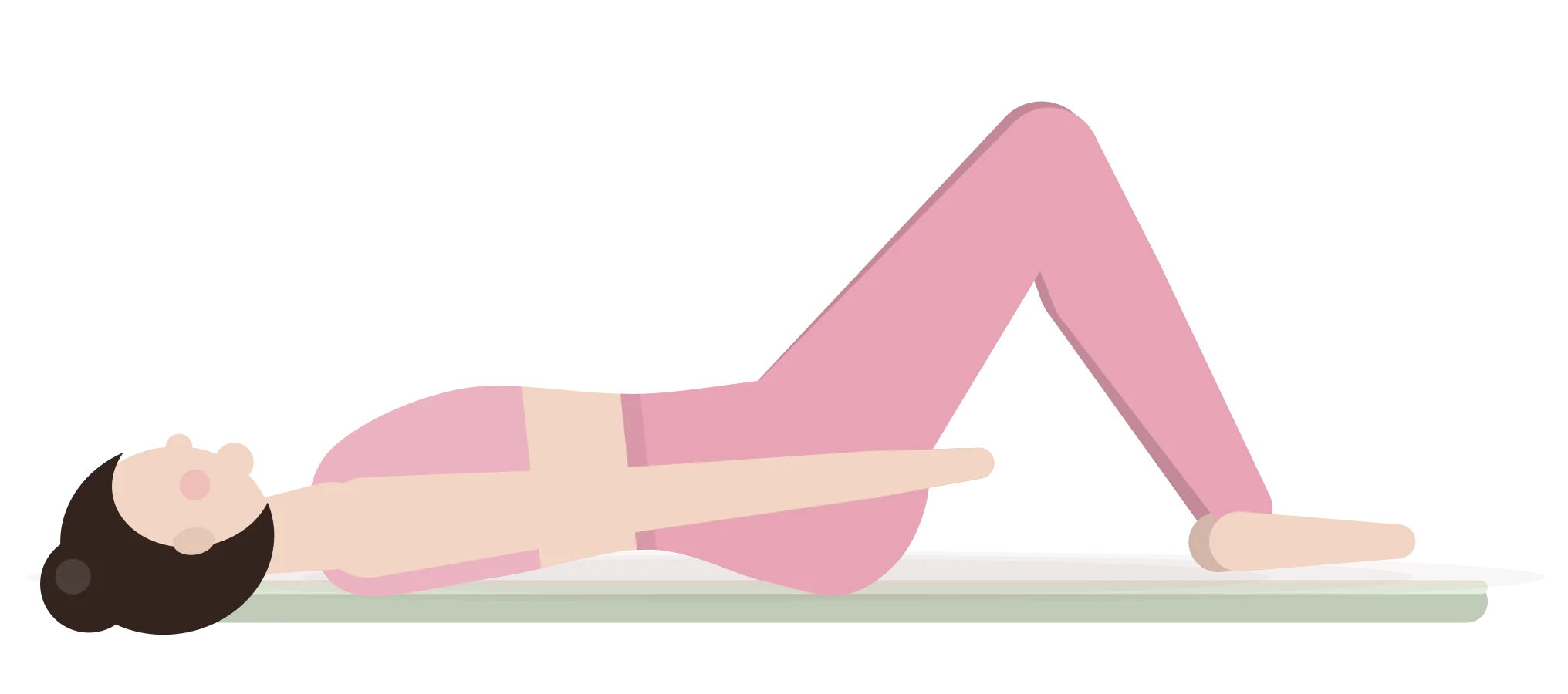
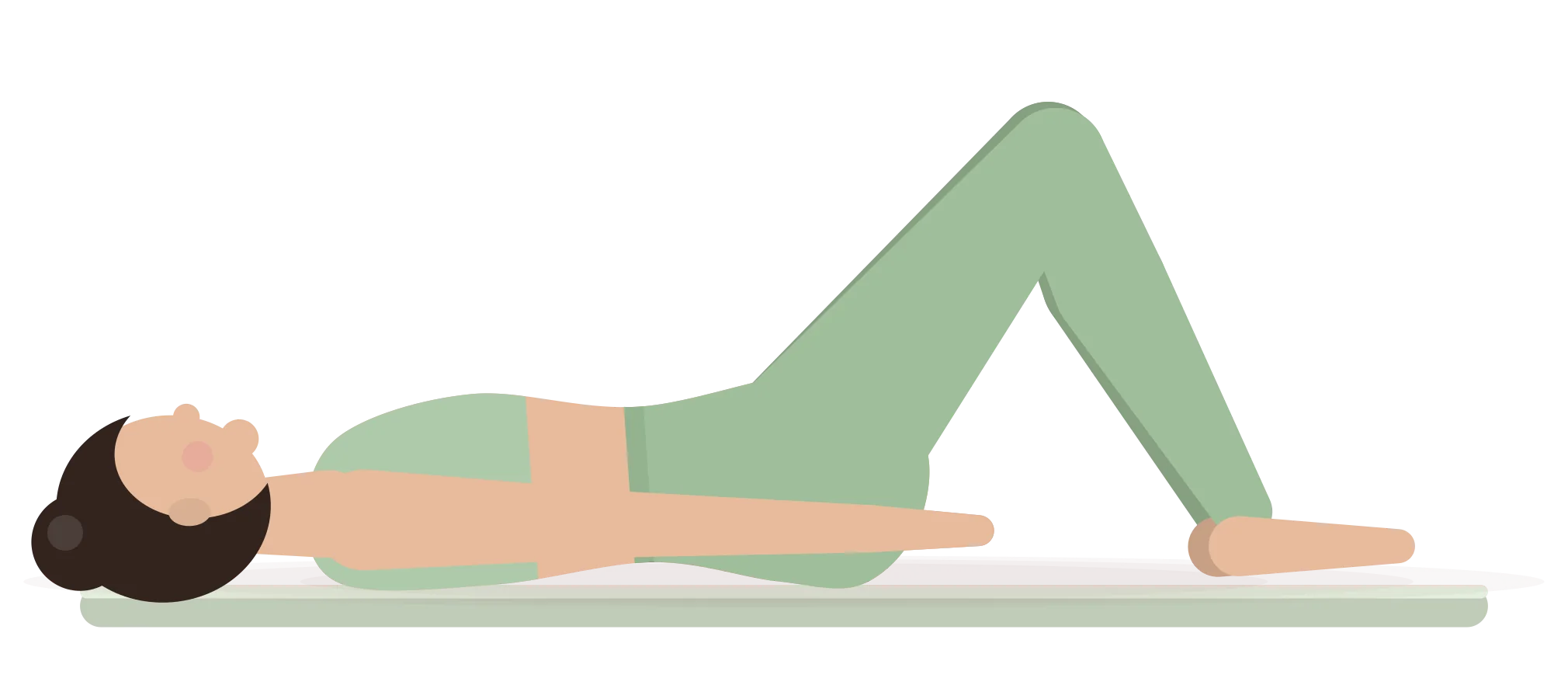
Lie on your back with your knees bent. Practise the Pilates breath: breathe in and let your ribs widen to the sides, breathe out and gently draw your belly toward your spine. Add a light pelvic floor lift on the breath out. Five minutes a day is plenty.
Stage 2: move your pelvis and spine
- Pelvic tilt: tip your pelvis toward you on the breath out.
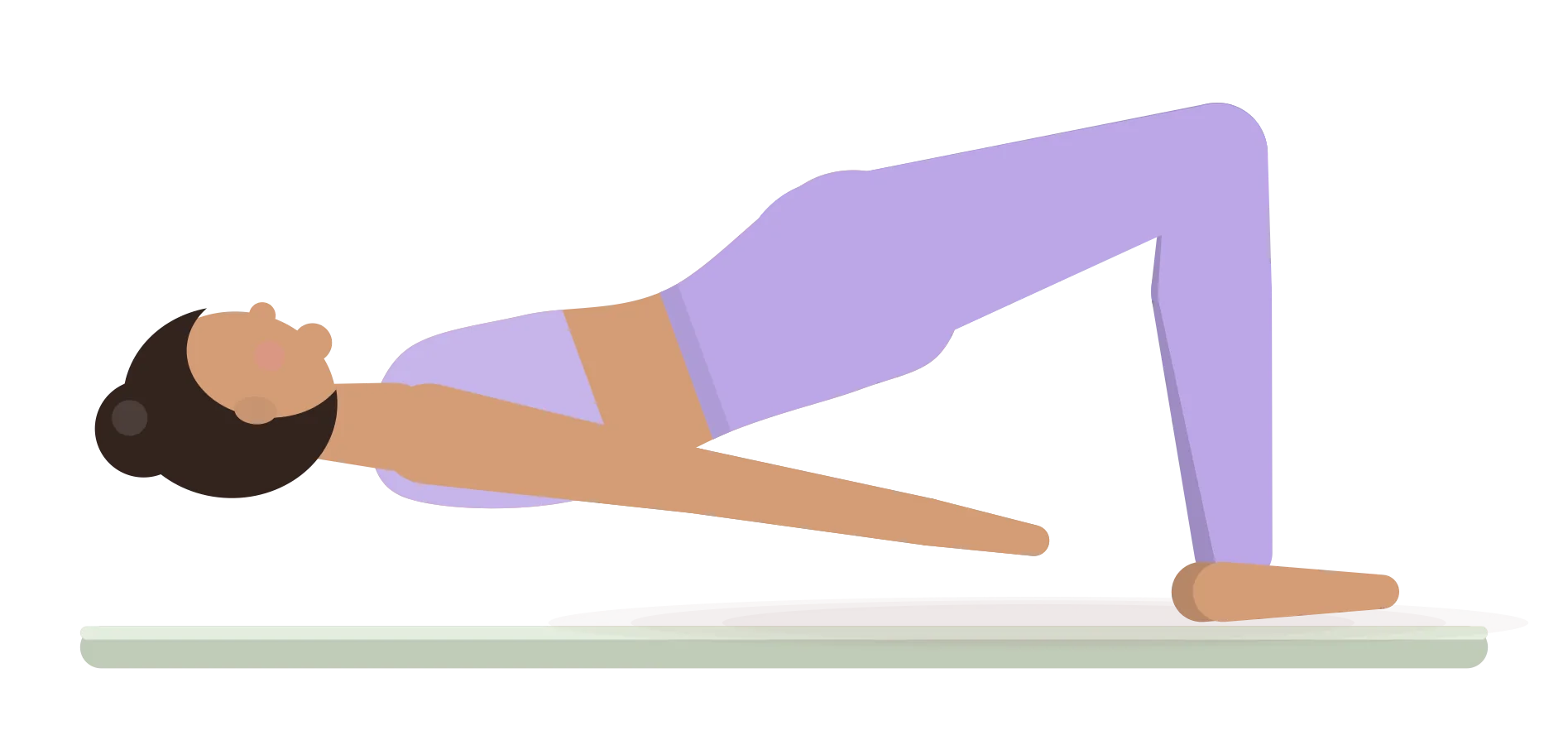
- Pelvic curl: peel your spine off the mat a little higher each week.
- Cat-cow and Child's pose: move your back after hours of feeding and carrying.
Stage 3: add gentle strength
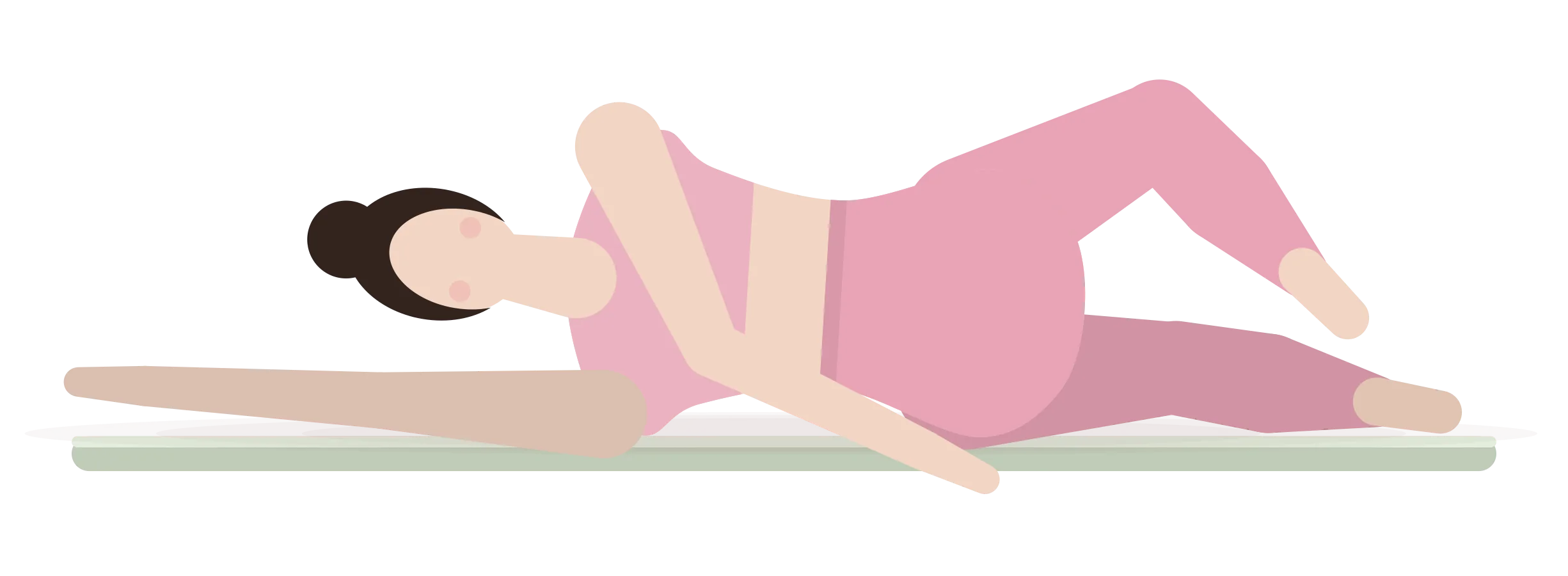
- Clamshell and Side leg lift for your hips.
- Bird dog for your back and deep core.
- Wall push-up for the arms that carry your baby.
Save these moves for later
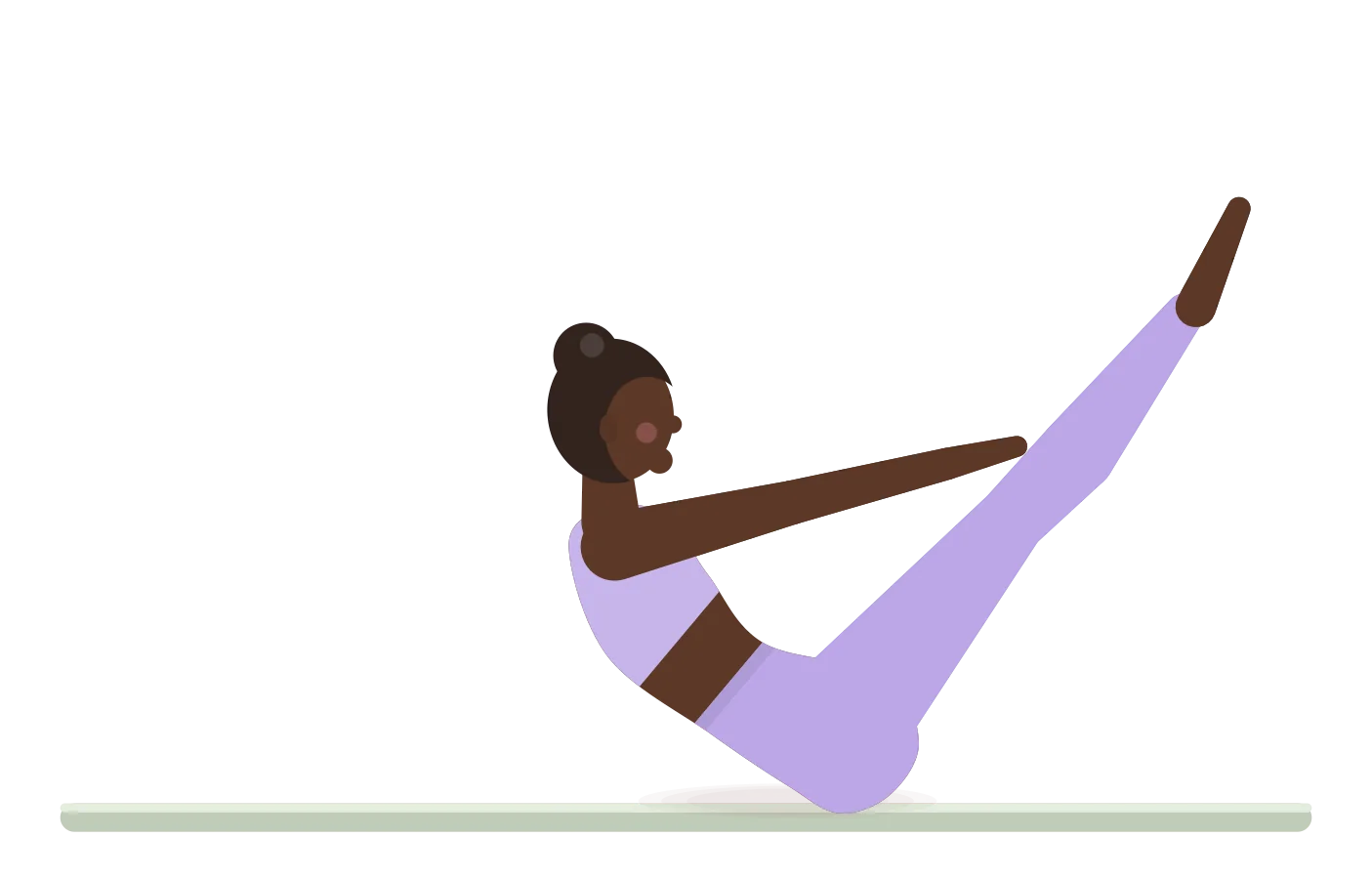
Leave out planks, Scissors, Double leg stretch and The Hundred with long legs in your first weeks back. They load your belly hard while it still heals. Bring them in only when your body says yes.
Watch for these signs
Stop and see a pelvic floor physiotherapist if you notice:
- Leaking when you move, cough or laugh.
- Heaviness or dragging in your pelvis.
- A ridge or dome along the middle of your belly during a move.
- Pain in your scar, back or pelvis.
Follow a plan that knows
When you start Her Pilates, tell me you had a baby this year. I keep the plank, scissors, double leg stretch and long-leg Hundred out of your first week and start you at the Foundation level. Tell me about a sore back and I leave out roll ups, the Teaser and rolling like a ball too. Check every new move against how you feel, and stop any move that hurts.